 Posted March 26, 2024
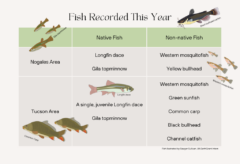
In late 2023, blue skies and sunshine found Sonoran Institute staff, partners, and friends knee-deep in water for our 16th annual fish survey. Their objective: identify which fish species are currently observed in… MORE ›
 Posted March 14, 2024
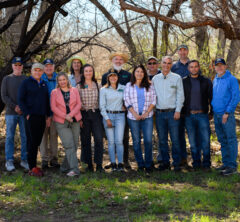
Sonoran Institute, a non-profit organization that connects people and communities with natural resources that nourish and sustain them in the North American West, has announced its new Board of Directors leadership slate. Newly… MORE ›
 Posted March 8, 2024
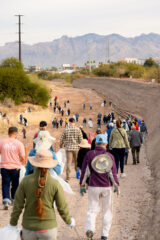
Beside the looming company of A Mountain, Logan Phillips gathered us in the cool morning air with poetry to welcome and inspire a shared love and appreciation for the Sonoran Desert. Childrens’ laughter… MORE ›
 Posted March 8, 2024
This International Women’s Day, we want to continue to uplift and amplify the voices of marginalized communities, celebrate the work we have done and look towards an equitable water future. Starting by… MORE ›
 Posted February 27, 2024
Colorado is taking significant steps around water conservation and landscaping. Waverly Klaw, director of the Growing Water Smart program at the Sonoran Institute, was invited to participate in a state task force that… MORE ›
 Posted October 30, 2023
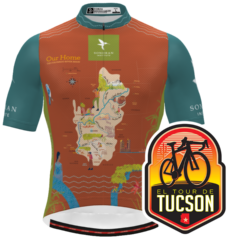
The Inspiration – The Colorado River Basin, a captivating landscape that winds through seven U.S. states, extends into Mexico, and spans the ancestral territories of over thirty Indigenous tribes. This arid region serves… MORE ›
 Posted July 31, 2023
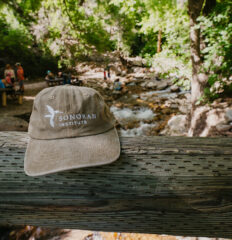
As I drove into the mountains, I listened to the podcast: Thirst Gap: Learning to Live with Less on the Colorado River. It shares how the Southwest is adapting to water shortages as climate change… MORE ›
 Posted June 19, 2023
“I know that a great deal of collaboration that went onto include so many entities – solutions to our environmental problems will only be solved through such collaborative actions. I like facts and… MORE ›
 Posted March 3, 2023
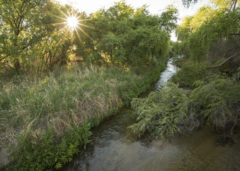
In February 2023, Sonoran Institute presented at the University of Arizona’s Water Resources Research Center’s Seminar Series. The Santa Cruz River has long been the backbone of the region’s natural and cultural heritage.… MORE ›
 Posted March 2, 2023
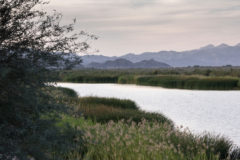
This is part two of a series – read part one here. Here, the journey continues of water along the Santa Cruz River’s course, taken up by a distant cousin by union to… MORE ›
 Posted February 24, 2023
Last year, in response to former Governor Ducey’s call for action to address Arizona’s water challenges, the Legislature passed bipartisan, multifaceted legislation to tackle a variety of water issues. As enacted, the new… MORE ›
 Posted February 24, 2023
In August 2022, five of the largest water providers in the Colorado River Basin signed onto a Memorandum of Understanding outlining their commitments to water conservation, efficiency, and reuse in response to intensifying… MORE ›
 Posted January 26, 2023
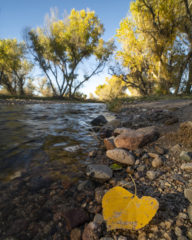
For many of its miles, the Santa Cruz River is a dry sandy bed inhabited by tough desert creatures and vegetation. From headwaters in the Sky Islands of southeastern Arizona to its confluence… MORE ›
Posted December 12, 2022
Sonoran Institute’s Waverly Klaw was featured in the Colorado Chapter of the American Planning Associations “Planning Matters” August issue. See page 20 for the article “Whose Responsibility is it to Prove a New… MORE ›
Posted June 3, 2022
The Water & Tribes Initiative issues a shared vision statement for the sustainable, resilient use of the Colorado River and its tributaries for people and nature As the Colorado River Basin grapples with… MORE ›
 Posted April 28, 2022
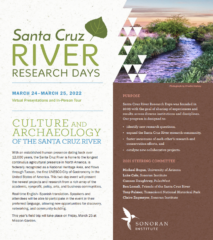
“The cultural history of the Santa Cruz is a rich, complex, and fascinating one. For starters, the Santa Cruz is the reason we can call Tucson home. And its waters have supported people… MORE ›
 Posted April 27, 2022
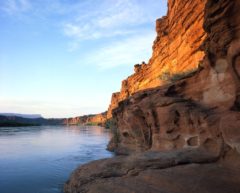
Sonoran Institute works to ensure flowing rivers, healthy landscapes, and thriving communities in the basin. On April 19, American Rivers released its annual endangered rivers report with the Colorado River topping its list.… MORE ›
 Posted March 16, 2022
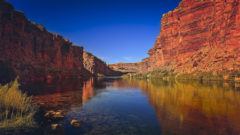
On Arizona Gives Day and Every Day “Forty-five years ago, I was fortunate to spend two weeks on a four-person raft traveling the Colorado River and hiking the canyons. It was a time… MORE ›
 Posted March 8, 2022
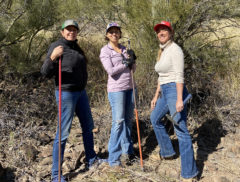
Diverse leadership and gender equity are essential to innovation and success when it comes to tackling climate change and building healthier communities. Today is International Women’s Day, and we are checking in with… MORE ›
 Posted January 20, 2022
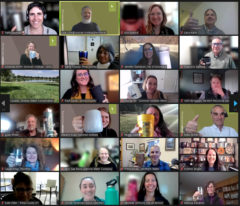
Bringing past participants together to celebrate collaboration and progress In January, we hosted a Growing Water Smart reunion with our Colorado and Arizona workshop alumni. Over 100 program participants joined the online event… MORE ›